



Operators can view live terrain visualization, cut-and-fill indicators, and augmented-reality guidance via the tablet interface.
Gravis Robotics
Robotics on real job sites
Although construction robotics is often framed as a future technology, Gravis Robotics is already deploying its platform on active job sites. Early adopters include large contractors and engineering, procurement, and construction (EPC) firms that operate large equipment fleets and are focused on improving productivity and safety across complex operations.
These organizations often manage large-scale infrastructure and energy work where inconsistency in excavation performance can significantly impact productivity and project timelines.
The journey to autonomy
One of the key features of the Gravis Rack platform is its ability to support multiple levels of automation. Operators can use the system for manual operation with visual guidance, assisted excavation tasks, or fully autonomous operations, depending on the application.
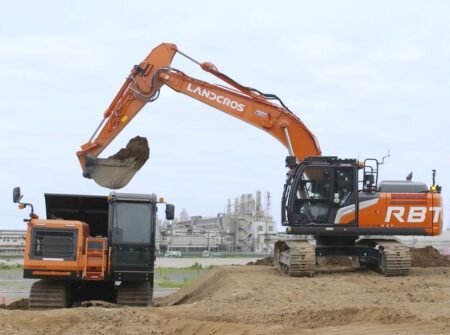
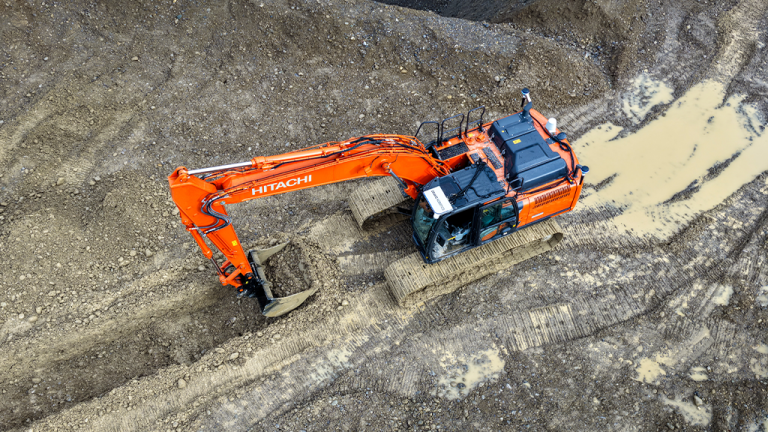
Autonomous tasks currently supported include trenching, bulk excavation, and truck loading.
Operators can interact with the system using the portable tablet interface from inside the cab, remotely from outside the machine, or even from an off-site office environment.
Gravis Robotics plans expanded capability
As the technology and uptake continue to evolve, Gravis Robotics is expanding the range of tasks and machines supported by the platform. Development includes additional excavator capabilities and support for attachments such as breakers and grapples. The company is also exploring automation for additional machines, including wheel loaders.
Instead of treating autonomy as an all-or-nothing shift, Gravis Robotics is developing systems that can be introduced one step at a time. With tablet-based controls and operator-assist features, the technology can be used alongside existing workflows without complicated disruptions.
For Gravis Robotics, autonomy is built around the operator, not in place of them.
This article originally appeared in the April 2026 issue of Heavy Equipment Guide.
Read the full article here