


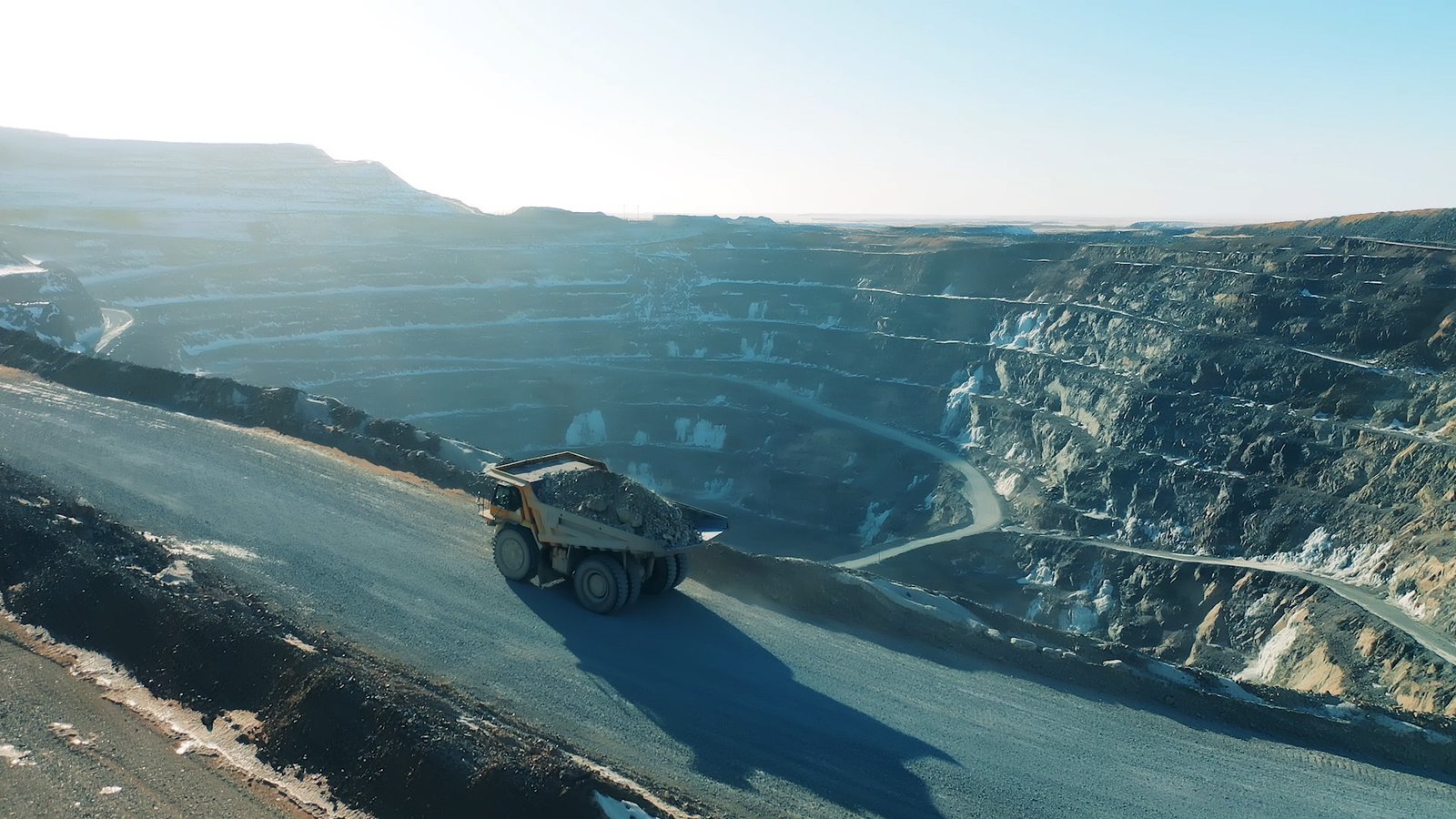
The LinkOA deployment in Western Australia will test driverless haul trucks in a quarry environment, marking a step beyond the more standardised conditions of large mining operations
Epiroc AB has won an order from Heidelberg Materials, one of the world’s largest integrated manufacturers of heavy building materials and solutions, to adapt and implement its LinkOA autonomous haulage system at a quarry in Western Australia, in a proof-of-concept project aimed at driverless haul trucks.
The order matters because quarry operations have traditionally been harder to automate than large-scale surface mines. Routes, traffic patterns, production layouts and site conditions can change more frequently, while mixed fleets often include haul trucks, loaders, service vehicles and auxiliary equipment operating in close proximity. For aggregates producers, proving autonomy in this setting could open a new path to higher productivity, safer operations and reduced dependency on operators in repetitive or hazardous haulage tasks.
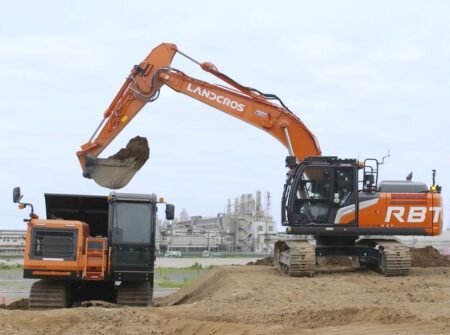
The project will see Epiroc deploy LinkOA on selected Komatsu HD605 haul trucks operated by Heidelberg Materials. The trucks will be required to interact with loaders and auxiliary vehicles, making safe mixed-fleet operation a central part of the trial. The project will also focus on haulage efficiency, reduced operator dependency and system performance across changing quarry conditions.
“We are proud to partner with Heidelberg Materials to support them on their autonomous journey. Our LinkOA system is already a proven mining automation technology, and with this project we look forward to bringing the same productivity and safety benefits to the aggregates sector,”
Said Helena Hedblom, Epiroc’s President and CEO.
The order value has not been disclosed. For Heidelberg Materials, the project fits into a wider global push toward autonomous heavy mobile equipment. The company recently stated that it is working with established technology partners to increase the use of autonomous machines across its operations, targeting around 30 autonomous vehicles this year and more than 100 by the end of 2028.
For Epiroc, the deployment extends the role of LinkOA beyond mining and further into construction materials production. The platform is designed as an open, OEM-agnostic autonomy system that can connect haulage, drilling and blasting under one control layer. It uses sensors, cameras and AI-enabled tools to improve situational awareness, support real-time decision-making and remove personnel from higher-risk areas of operation.
The move follows Epiroc’s work at Hancock Iron Ore’s Roy Hill mine in Australia, where LinkOA supports 78 autonomous mining trucks. In 2025, Roy Hill became the world’s largest OEM-agnostic, fully autonomous mine, with more than 350 million tonnes of material moved autonomously.
Epiroc has also been building its automation credentials in the quarry market through drilling. Last year, the company partnered with Luck Stone in the United States to deploy a fully autonomous SmartROC D65 drill rig, described by Epiroc as the first fully autonomous surface drill rig delivered to the quarry market worldwide.
The Western Australia quarry project will be closely watched by aggregates producers, contractors and fleet owners because it addresses a practical question: can automation deliver value outside the scale and structure of major mines? In quarrying, the business case may depend less on headline autonomy and more on consistency, traffic management, safety performance and the ability to integrate with existing equipment fleets.
If successful, the Heidelberg Materials deployment could help define how autonomous haulage is introduced into mid-scale quarry operations, where productivity gains must be balanced with site complexity, mixed traffic and day-to-day production flexibility.
Read the full article here