


By Jake Livingstone
Did you ever play the board game Risk? It’s a classic game of strategy where every move — whether defensive or aggressive — carries consequences.
Reinforce one territory too late, and you lose it. Stretch your resources too far and your entire position becomes vulnerable.
While this board game may not immediately correlate to my current role in leading teams to support RDO customers to minimize downtime in the field or on a job site, when I think back to my game of Risk and the conversations we’re having in the industry, the connection is clear: Every action results in both intended and unintended consequences.
In the real game of fleet management, downtime costs real money, safety is on the line and replacement decisions take months instead of just waiting until your next turn. Instead of armies and territories, the stakes are machines, operators, job sites and uptime. Every hour of production, every maintenance decision and every delayed repair may cause delays of weeks and not minutes.
That’s why preparedness matters.
With Connected Machine Support from RDO Equipment Co., powered by John Deere Operations Center, RDO’s Machine Health Monitoring team and proactive Planned Maintenance, fleet managers gain visibility across their “board” — so decisions are informed, risks are mitigated and equipment stays productive longer.
Connect All Machines to the Operations Center
Whether a customer is buying or renting, readiness starts before the machine ever hits a lowboy.
On our rental side, we use manufacturer‑installed telematics and standardized telematics-function verification at check‑out or check-in appointments to ensure every eligible asset is connected. Trained professionals do a detailed walk‑around, note necessary repairs or replacements and close those items before sending the rental machine for the next job.
This results in equipment that’s both mechanically ready and digitally connected, so monitoring continues once it leaves the yard.
Fleet managers and heavy equipment owners also work with RDO team members to connect their machines to the Operations Center through aftermarket solutions, even if their machine isn’t manufactured by John Deere. If they are purchasing a new John Deere machine, these powerful tools often come equipped with Operations Center connectivity.
Place Assets With Remote Support Teams
GPS locations, telematics and oil pressure information don’t just tell us when to service; they can change how we service. We’ve adjusted intervals, added filtration for harsh conditions and incorporated oil sample trends to alter timing for scheduling necessary service.
When the data says retire a unit early — or pull it for a component refresh — we act, because the cost of a controlled change is lower than the risk of an uncontrolled failure with people and schedules on the line.
“When customers enable their fleet with the Operations Center and let us monitor, we can stage parts, align technicians and fix the right thing the first time — often before anyone loses an hour,” said Brandon Link, planned maintenance supervisor at RDO Equipment Co.
Adapt to the Field With Planned Maintenance (PM) Plans
RDO team members partner to keep crews working so they can finish the day while completing necessary tasks to build and grow through pre-paid or pay-as-you-go maintenance plans.
“RDO customers can choose a plan that works for their operation, whether they want to secure price protection when they choose a certain number of hours for a prepaid PM plan, or cash-flow flexibility through the pay-as-you-go plan,” Link said.
Link said fleet managers can periodically add key machines to their service plans when they purchase used machines or see that one machine will be working more frequently later in the season.
All paths to service agreements with a trusted dealer retain the benefits of connected monitoring and centralized scheduling — giving fleet managers control over how they defend their equipment.
“RDO team members work with fleet managers to tailor a PM plan to their business’s specific needs to keep machines working,” Link said.
John Deere Expert Alerts Explained
A John Deere Expert Alert is a real‑time notification generated from connected equipment data that signals a potential issue requiring attention. These alerts are deployed by RDO’s centralized Machine Health Monitoring team, and used to proactively coordinate service, often before downtime occurs.
Alerts are most powerful when combined with core machine data — hours, location, oil sampling and other health indicators — to see patterns that aren’t obvious from a single code.
Similar to Expert Alerts our Machine Health team looks at data trends to create prescriptions for symptoms found on machines to provide the next level of support to our customers. Centralized monitoring lets us schedule PM when it fits the customer, pre‑stage the right parts and maintain service quality across regions.
“Think of alerts as an early warning system. We’ve had a dedicated team monitoring machine health first starting with PM management back in 2012,” Link said.
Here’s how the cycle works when alerts are turned on:
· Sensor triggers a DTC that arrives in our software within seconds.
· Alert evaluation by the monitoring team, which looks for recurring patterns and assesses risk.
· Detail prescriptive response and share recommended fix, written and routed to the right store.
· Store coordinates customer outreach plus assigned technician equipped with the right parts, resulting in minimized downtime.
Manage Productivity Without Increasing Risk
Like in the game of Risk, opportune times to attack without risk reveal themselves to those in the industry who’ve experienced tight margins before. Even those without those years of experience can tap into these insights by finding trusted equipment experts and remote support teams.
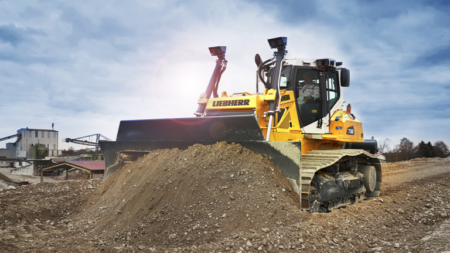
“We had an ‘Engine Oil Pressure Extremely Low’ alert come through on a 750K dozer that was routed straight to our Moorhead Field Service team,” Link said. “Because we knew how quickly low oil pressure can turn into catastrophic engine damage, the team reached out to the customer immediately to get eyes on the machine.”
Brandon explained that during the inspection, the customer found a worn engine quick‑drain valve that had opened unexpectedly, causing oil pressure to fall.
“They were able to repair the valve and restore proper oil pressure before any internal damage occurred, which made all the difference,” he added.
Managing Equipment Life Cycle with Confidence
Plenty of heavy equipment dealers can receive a code, but RDO is the only John Deere dealer with a team with centralized intelligence for troubleshooting heavy equipment machines paired with local action of trusted technicians and parts professionals.
RDO’s remote support teams evaluate and prioritize alerts across tens of thousands of connected machines and coordinate with a fleet manager’s local store so the next step is clear, fast, and accurate.
For fleet managers and owners who want even more control, John Deere’s Operations Center PRO Service layers in self‑repair tools — manuals, DTCs, controller reprogramming and guided tests — inside Operations Center, with Customer Service ADVISOR transitioning to PRO Service over time. If that fits your shop, your RDO team will help you choose and deploy the right license so your crew can handle more in‑house.
Winning at Risk was never about the biggest army but about seeing the whole board and acting before vulnerabilities were exposed. With connected machine support, fleet managers gain that same advantage — clarity, foresight and the confidence to protect uptime before risk takes its turn.
Jake Livingston is director of connected support at RDO Equipment Co. He leads teams in planned maintenance, machine health, telematics support, and technical support teams across all product lines.
Read the full article here