



1. Introduction
Mini excavators have become essential machinery in the construction, landscaping, and utility sectors due to their compact size, versatility, and efficiency. These machines are particularly valuable in projects requiring precise digging and maneuverability in confined spaces. The “Mini Excavators Global Market Report 2025” delves into the current status of this market, exploring key trends, technological innovations, regional growth patterns, competitive factors, and future opportunities. This report aims to provide stakeholders with comprehensive insights to make informed decisions in a market that is rapidly evolving with the demands of modern construction and environmental sustainability.
2. Market Overview
2.1 Definition and Classification
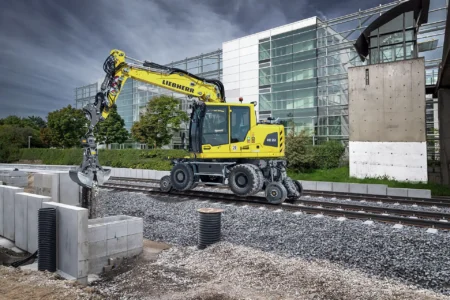
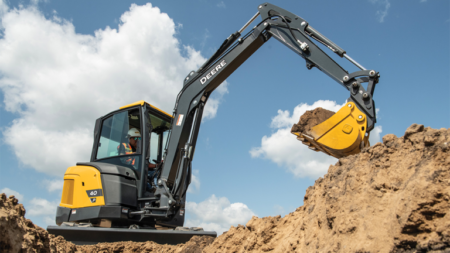
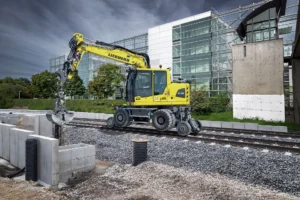
Mini excavators are small-sized excavating machines designed for tasks that require agility and precision in tight working environments. They are typically categorized based on their power source and mobility mechanism. Hydraulic mini excavators are the most common, known for their robust performance, while electric-powered models are gaining attention due to their eco-friendly attributes. Additionally, mini excavators are distinguished as wheel or crawler types, each suited for different terrains and operational needs. Their wide range of applications spans from construction and landscaping to agriculture and utility maintenance.
2.2 Market Size and Growth
The global mini excavators market valuation stood at approximately $8.29 billion in 2024 and is expected to increase to around $8.76 billion in 2025, growing at a compound annual growth rate (CAGR) of about 5.6%. This upward trend is anticipated to continue, reaching nearly $10.88 billion by 2029. The major contributors to this growth include expanding urban infrastructure, increasing renovation activities, and the rising need for versatile machines capable of performing diverse functions efficiently.
3. Key Market Drivers
Several factors are fueling the growth of the mini excavator market. Rapid urbanization has led to tightening construction sites where smaller, more maneuverable equipment is preferred. Environmental concerns and government regulations are pushing the adoption of cleaner, electric, and hybrid machines. Technological innovations are enhancing machine efficiency and operator comfort, making mini excavators more attractive to a broad user base. Additionally, emerging economies are witnessing substantial infrastructure development, which is boosting demand for affordable, multi-functional equipment like mini excavators.
4. Technological Advancements
4.1 Electrification and Hybrid Models
Environmental regulations and sustainability goals are accelerating the market shift towards electric and hybrid mini excavators. These models offer significant benefits including zero emissions, reduced noise pollution, and lower operating costs. Electric mini excavators are particularly advantageous in urban areas and indoors where emissions and noise restrictions are stringent.
4.2 Telematics and IoT Integration
Advanced telematics systems integrated with the Internet of Things (IoT) technologies enable real-time monitoring of machine health and location. This connectivity facilitates predictive maintenance, minimizing downtime and repair costs, while improving fleet management efficiency.
4.3 Automation and Remote Control
Automation is enhancing safety and productivity by allowing operators to control mini excavators remotely, especially in hazardous or hard-to-reach environments. Remote operation reduces on-site risks and improves precision, opening new application areas.
4.4 Hydraulic and Fuel Efficiency Improvements
Improvements in hydraulic systems optimize power delivery for quicker, more precise work cycles. Fuel-efficient engines further reduce operating costs and environmental impact, making mini excavators more viable for long-term ownership.
5. Market Segmentation
5.1 By Product Type
The market is segmented into hydraulic, electric, wheel, and crawler mini excavators. Hydraulic models dominate due to robust performance, but electric types are quickly ascending on the basis of sustainability. Wheel mini excavators offer superior mobility on paved surfaces, while crawlers excel on rough or uneven terrain.
5.2 By Application
Mini excavators find use in various sectors:
-
Construction and Infrastructure: Excavation for foundations, utility installation, and site preparation.
-
Landscaping and Agriculture: Soil preparation, trenching, and vegetation management.
-
Utilities and Small Demolition: Installation and maintenance of pipelines, cables, and light demolition work.
-
Other Industrial Uses: Forestry, mining, and specialized industrial projects.
5.3 By Region
Asia-Pacific leads the market with rapid industrialization, urban expansion, and a strong manufacturing base, especially in China and Japan. North America and Europe focus heavily on electric and hybrid adoption driven by regulatory standards for emissions. Latin America and the Middle East & Africa represent emerging opportunities with increasing infrastructure investment.
6. Competitive Landscape
The mini excavator market is highly competitive, featuring established players like Caterpillar, Komatsu, Volvo Construction Equipment, Hitachi, and Doosan Infracore. These companies emphasize innovation, product diversification, and geographic expansion to maintain leadership. Additionally, new entrants focusing on eco-friendly and technologically advanced mini excavators are reshaping the competitive dynamics, intensifying competition.
7. Market Challenges
Despite strong growth prospects, the market faces challenges such as supply chain disruptions impacting component availability and delivery times. The volatility of raw material prices affects manufacturing costs, while regulatory complexities vary across countries, posing compliance difficulties. Moreover, competition from alternative equipment and the need for continual technological upgrades require significant investment.
8. Consumer Insights and Market Trends
Customers increasingly favor flexible ownership options including rentals and leasing to reduce upfront costs. Market interest aligns with construction cycles, with heightened demand during spring and summer months. Online searches and digital engagement around mini excavators have surged, indicating rising awareness and market education efforts. Additionally, demand grows for machines compatible with a variety of attachments, enhancing their adaptability.
9. Future Outlook and Opportunities
The mini excavator market outlook remains positive, driven by urbanization, infrastructure growth, and environmental sustainability commitments worldwide. Emerging markets hold significant untapped potential as governments increase investment in public works. Growing emphasis on greener machinery and digital integration foreshadows a market dominated by electric, connected, and semi-autonomous machines.
10. Strategic Recommendations
To capitalize on market opportunities, manufacturers and stakeholders should:
-
Prioritize R&D for electric and hybrid mini excavators to meet tightening emission norms.
-
Invest in IoT and telematics solutions to offer value-added services like predictive maintenance.
-
Expand manufacturing and distribution networks in high-growth regions, especially Asia-Pacific.
-
Develop customer-centric innovations and after-sales support to build brand loyalty.
-
Collaborate with technology providers and partners to accelerate innovation and market penetration.
11. Conclusion
The global mini excavators market is set for sustained growth through 2025 and beyond, shaped by evolving technological trends and market demands. Sustainability, innovation, and geographic expansion will define the future landscape, necessitating strategic action by industry players. This comprehensive market report provides stakeholders with critical insights and guidance to thrive in the dynamic mini excavator industry.
By embracing new technologies, addressing regulatory challenges, and aligning with customer needs, manufacturers and investors can secure strong positions in this expanding global market and contribute to shaping the future of excavating machinery.