


HaulSight has been tested in ultra-cold Canadian mines to ensure operation in even the most extreme conditions.
Kal Tire
Real-time detection through advanced technology
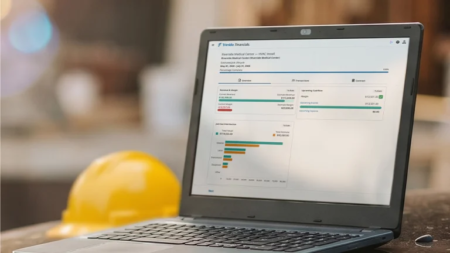
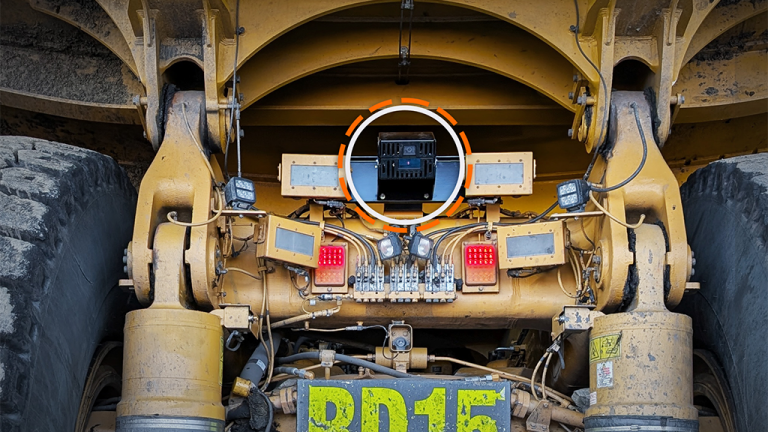
With Decoda’s LiDAR and camera sensors mounted to the front and rear of haul trucks, and an ‘edge’ computer processing live footage, HaulSight gives fleet teams instant alerts about hazards such as spillage, road undulations, and high G-force events that can cause truck and tire damage and slow down operations. Modeling TireSight, HaulSight’s scanning technology integrates with Kal Tire’s Tire & Operations Managing System (TOMS) and allows condition monitoring experts to assess flagged issues and automate priority-based work orders.
“HaulSight gives mine sites unprecedented visibility across the entire haul circuit and turns that insight into action. By making critical data easy to visualize and act on, operations see measurable improvements, like faster circuits and reduced downtime, from day one,” says George Spink, executive general manager, Decoda. “Leveraging Kal Tire’s longstanding relationships means we have the chance to bring these benefits to more mines, so we’re pleased to be a part of such a valuable partnership.”
HaulSight enables road crews to react quickly and create optimal road conditions that maximize cycle speed and fuel use. When long-term planning opportunities arise, HaulSight calculates the cost to lost tire life, productivity, and fuel against the cost of a road improvement.
“The responsiveness of the system means mine sites benefit right away with trucks spending more time hauling, but HaulSight also offers long-range planning insights that enable confident decision-making around tire maintenance and road upgrade investments,” says Erdelyi.
To ensure HaulSight is just as effective in sub-zero conditions, testing began on Canadian mine sites 18 months ago with strong results. Since no two mines are alike, and no two roads even within a site are alike, HaulSight’s real-time feedback option can guide truck operators into loading or dumping spots to avoid impacts with road hazards.
Read the full article here