


Hitachi Energy and Volvo Construction Equipment have signed a Memorandum of Understanding (MoU) to explore a joint approach to deploying zero-emission construction sites.
The two companies plan to combine electric construction machinery with clean power supply, energy management and system integration, aiming to tackle one of the sector’s toughest problems: cutting emissions without slowing down operations.
The agreement comes as demand from customers and investors for lower-emission, higher-productivity jobsites continues to rise. In parallel, permitting and regulatory requirements are pushing project owners to demonstrate stronger environmental performance, not only during execution but already in the planning and approval phases.
While electrification, automation and better resource planning are widely seen as practical routes to reduce emissions, moving from a handful of electric machines to a fully functioning zero-emission site is a different step. It requires coordinated solutions across equipment, charging and grid infrastructure, and site-level energy management, along with reliable integration between those systems.
Under the non-exclusive MoU, Volvo CE and Hitachi Energy will assess technical and commercial concepts to support zero-emission construction and manufacturing operations. The focus is on system integration and how solutions would be executed at site level. The scope also includes work on business models, go-to-market options, and aftermarket and support requirements, with joint teams from both companies involved.
“Strategic partnerships such as this with Hitachi Energy are key to accelerating the transition to zero-emission construction. By combining complementary expertise and delivering a complete, integrated solution, we are giving customers the confidence, security, and peace of mind they need to adopt emission-free operations today.”
Said Melker Jernberg, President of Volvo CE.
“Electrification is a game changer in the decarbonization puzzle, particularly for hard-to-abate environments such as construction sites. As construction operations become more electric and more complex, success depends less on individual technologies and more on system-level integration, strong execution, and close collaboration with partners like Volvo CE who share our ambition to enable zero-emission construction at scale.”
Added Niklas Persson, CEO of Grid Integration at Hitachi Energy.

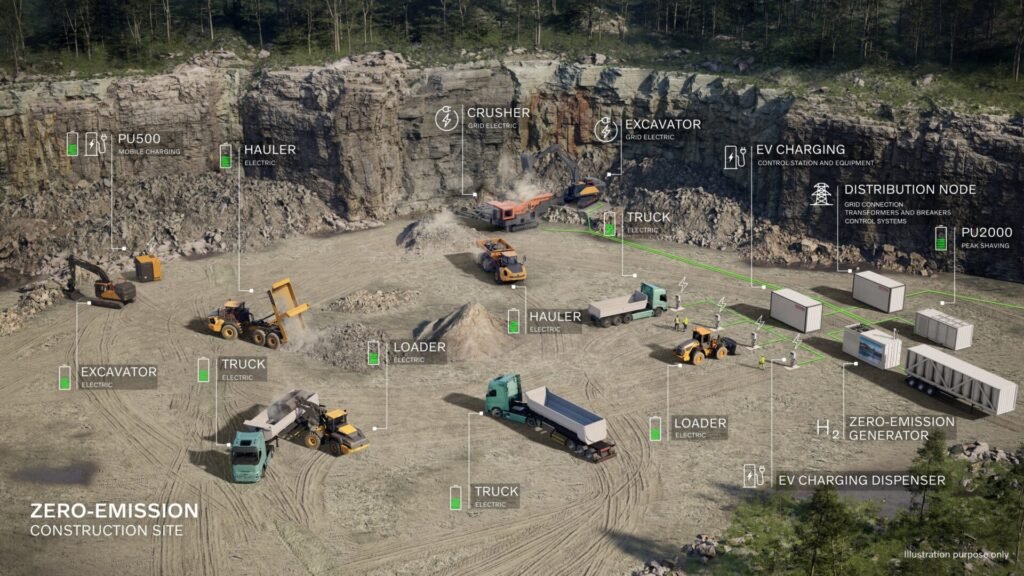
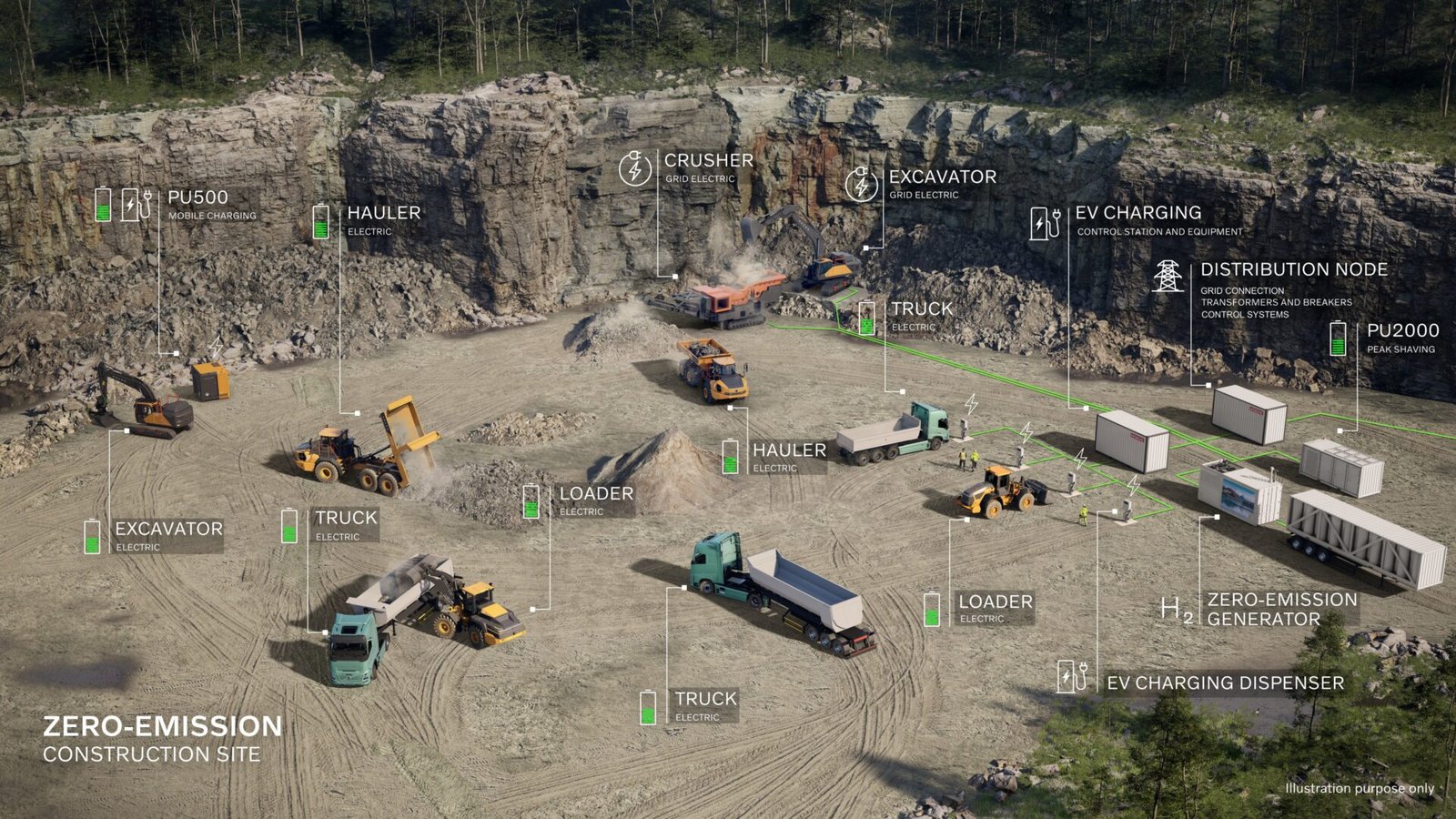
Delivering zero-emission construction sites will take more than swapping diesel machines for electric ones. It depends on an ecosystem that links equipment, electrical infrastructure and energy management into one integrated, workable setup.
The partnership’s first phase is expected to focus on the commercial side: business models and go-to-market plans built around practical, plug-and-play solutions that make it easier for contractors to adopt electric jobsites. Over time, the MoU also leaves room for deeper technical collaboration, including connected machines, tighter digital integration and a broader set of service offerings.
Read the full article here