


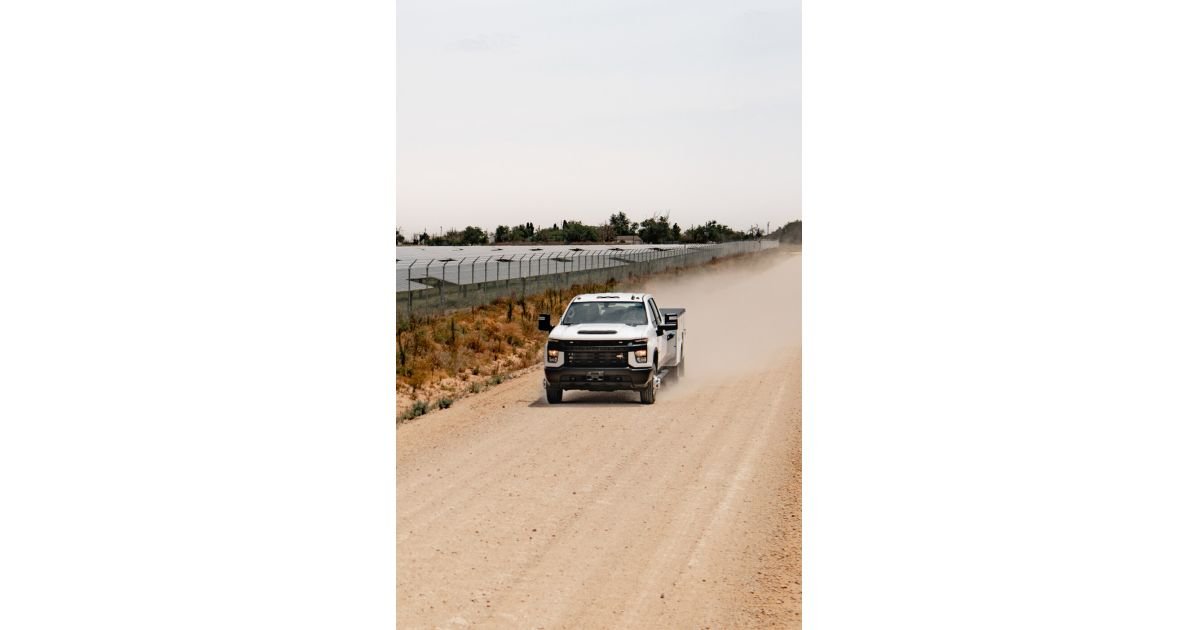
For a northeast renewable, EPC contractor, growth meant operating across multiple states with more than 30 crews at any given time. Projects ranged from residential installations to commercial and utility-scale work, with supervisors traveling regularly between sites to keep everything moving.
Under a previous provider’s 30,000-mi. threshold, traveling supervisors regularly hit mileage limits mid-project. Each trigger required a truck exchange that pulled key personnel away from the field.
Those exchanges were not simple handoffs. Supervisors traveled back to headquarters, coordinated decal transfers, reset tracking systems and transferred fuel and toll accounts before returning to the job site. The process took at least three days. That meant lost billable time on projects and time away from home for employees already spending weeks on the road. As the company’s project pipeline expanded, it became clear the fleet structure was working against the pace of the business.
Operational Strain at Scale
As the contractor expanded across multiple states, fleet management became increasingly complex. Crews were operating simultaneously on residential, commercial and utility-scale projects, and supervisors needed dependable transportation that could move with them from one site to the next. Under the previous structure, mileage tracking, replacement coordination and vehicle availability required constant oversight instead of remaining a background function.
When projects ramped up or new sites opened, securing additional trucks often meant extended lead times or sourcing temporary rentals from another provider. Leadership attention shifted toward managing fleet logistics instead of focusing on crew deployment and project execution. The contractor needed a fleet model that could scale with demand and remove that uncertainty.
Flexibility That Show Up in the Field
The change was not theoretical. It showed up in how fleet was handled day to day.
Before, a truck exchange meant pulling a supervisor off the job site to coordinate travel, paperwork and administrative resets. It meant time away from active work.
With PTR, that process looks different, according to the company. When a supervisor needs a replacement truck, whether a unit requires attention or is due for maintenance, it starts with a call or text to the dedicated territory team. From there, coordination happens quickly and the replacement truck is delivered directly to the job site.
Supervisors stay where they are needed — crews keep working., added the company
Responsiveness extended beyond swaps. When a truck recently showed signs of mechanical concern, the territory team opened a service case immediately with PTR’s internal field service department. Within 24 hours, the vehicle was at a dealership, and a plan was already in motion, with a field service representative coordinating the next steps. The supervisor stayed focused on managing the project while the issue was handled.
For a contractor operating across multiple states, flexibility was not a feature on paper. It was the ability to make adjustments without interrupting momentum.
Measurable Impact Across Job Sites
The shift to PTR preserved time and reduced disruption across projects, giving leadership confidence in how vehicles were deployed and supported in the field, according to the company.
Supervisors remained focused on managing construction instead of coordinating exchanges. Fleet adjustments happened without interrupting project momentum. As crews expanded across state lines and project volume increased, the fleet structure supported growth instead of slowing it down. The operational difference became measurable.
When crews are spread across state lines and projects are stacked back to back, there is no room for unnecessary stops. The work keeps moving. The fleet has to move with it.
For this contractor, the change was not dramatic. It was practical. Supervisors stopped driving back to headquarters for exchanges. Service issues were handled without pulling people off site. When a truck was needed, it showed up where the work was happening.
Over time, those adjustments added up. Less travel. Less coordination. Fewer interruptions. More time managing crews instead of managing vehicles.
In construction, the work does not slow down. The fleet cannot either.
This story also appears on Truck and Trailer Guide.
Read the full article here