

Forestry work is never one-size-fits-all. Whether managing trails, clearing brush, or supporting post-wildfire restoration, crews face a unique set of terrain, vegetation, and environmental demands on every job. With wildfires becoming more frequent and severe, the need to operate efficiently, and safely, is only growing. Choosing the right attachment for the job is no longer just about productivity. It’s about protecting crews, machines, and communities.
Start with the task at hand
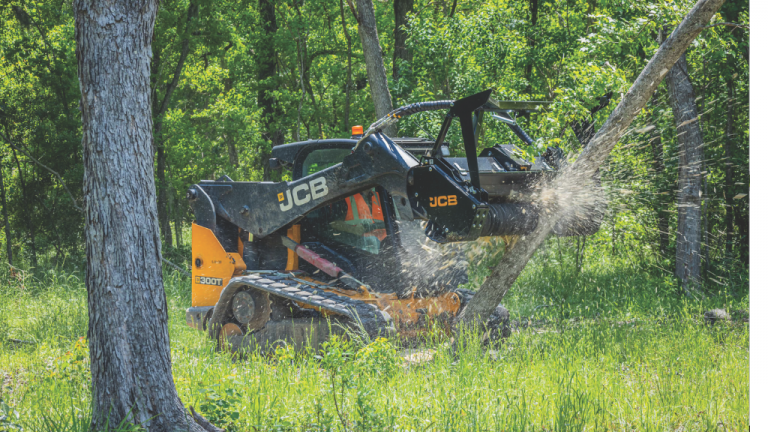
Every forestry attachment is built for a purpose. Mulchers are ideal for reducing thick vegetation and creating defensible spaces. Stump grinders eliminate tripping hazards and prep land for replanting. Brush cutters help manage trails and maintain perimeters. Making the right choice starts with clearly identifying the nature of the work. Are you thinning undergrowth to reduce wildfire risk? Rehabilitating a site after a controlled burn? Transporting debris after tree felling? Knowing the job defines the tool.
Match the attachment to the machine
Even the best forestry attachment won’t perform if it’s paired with the wrong carrier. Flow rate and hydraulic horsepower are key metrics to review when selecting attachments. Forestry mulchers, for example, often require high-flow hydraulics to perform efficiently. Machines not equipped to deliver sufficient flow may stall or underperform.
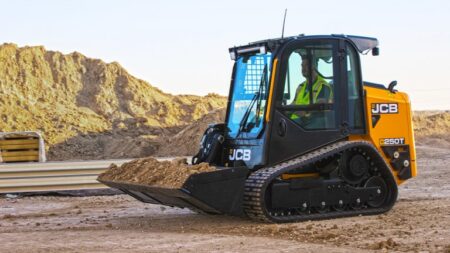
For contractors using skid steers or compact track loaders, it’s critical to verify that the machine offers not just the right flow rate, but the appropriate cooling capacity and protection for forestry applications. Consider attachments with self-calibrating or auto-recovery features, which adjust performance based on the host machine’s capacity. These reduce operator error and minimize downtime in the field.
Factor in the terrain
Forest conditions vary dramatically. Rocky, uneven terrain may call for mulchers with carbide teeth rather than blades, which dull faster on stone. Stump grinders with adjustable cutting depths offer more control in hilly or root-laden environments. For operators working on slopes or through fire-damaged forests, attachment weight, balance, and mobility can make a significant difference in stability and safety.
Read the full article here