


KEITH Manufacturing Co. exhibited its WALKING FLOOR stationary bin technology at the IEEE/PCA Cement Conference in Dallas, Texas, held April 26–30, 2026.
Applications for cement producers focused on plant uptime, reduced reliance on manual material handling, and the handling of hard-to-manage fuels and raw materials. WALKING FLOOR stationary bins are intended for high-volume handling as an alternative to conventional conveying equipment for primary fuels, alternative fuels, and selected raw material streams.
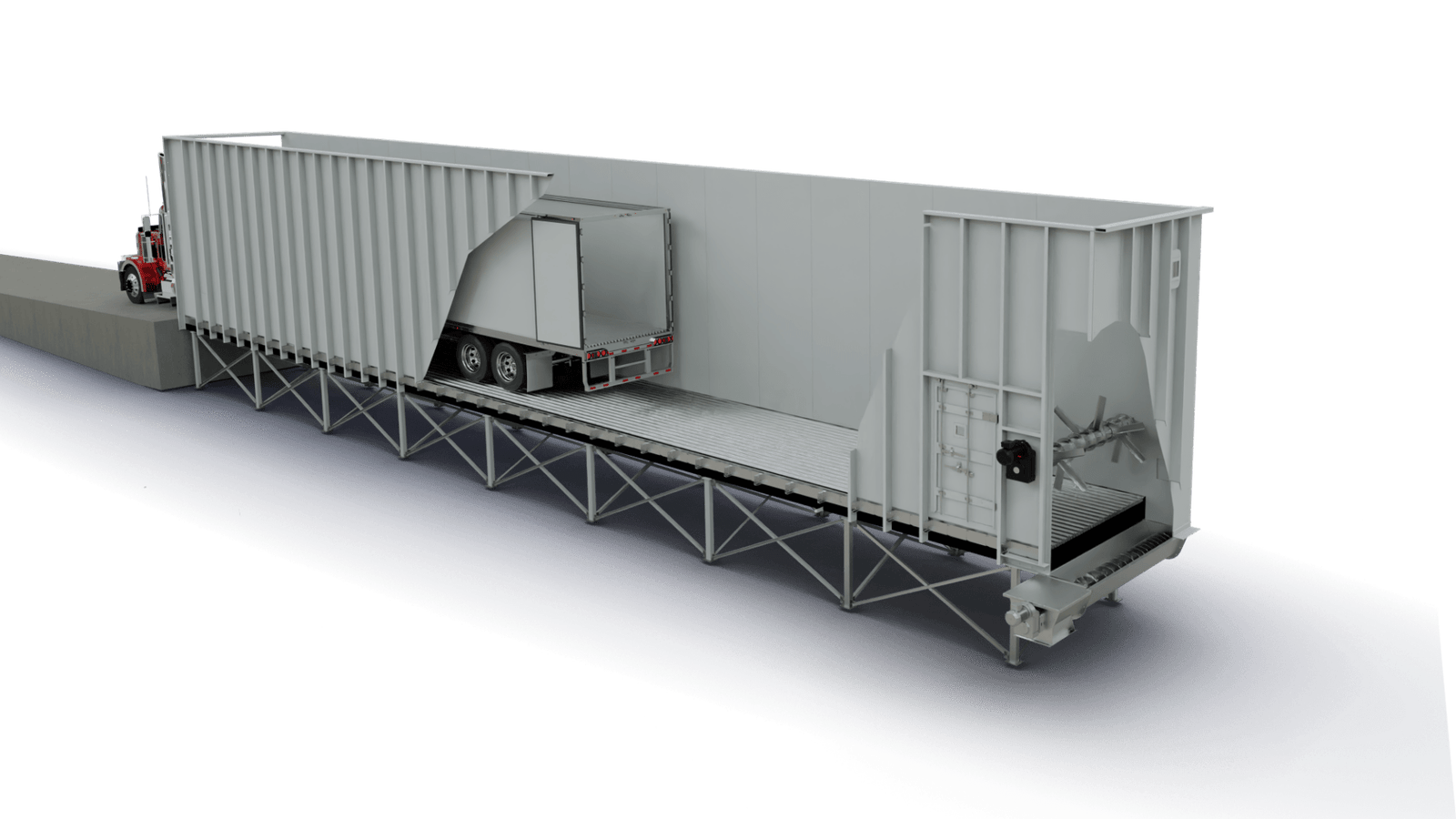
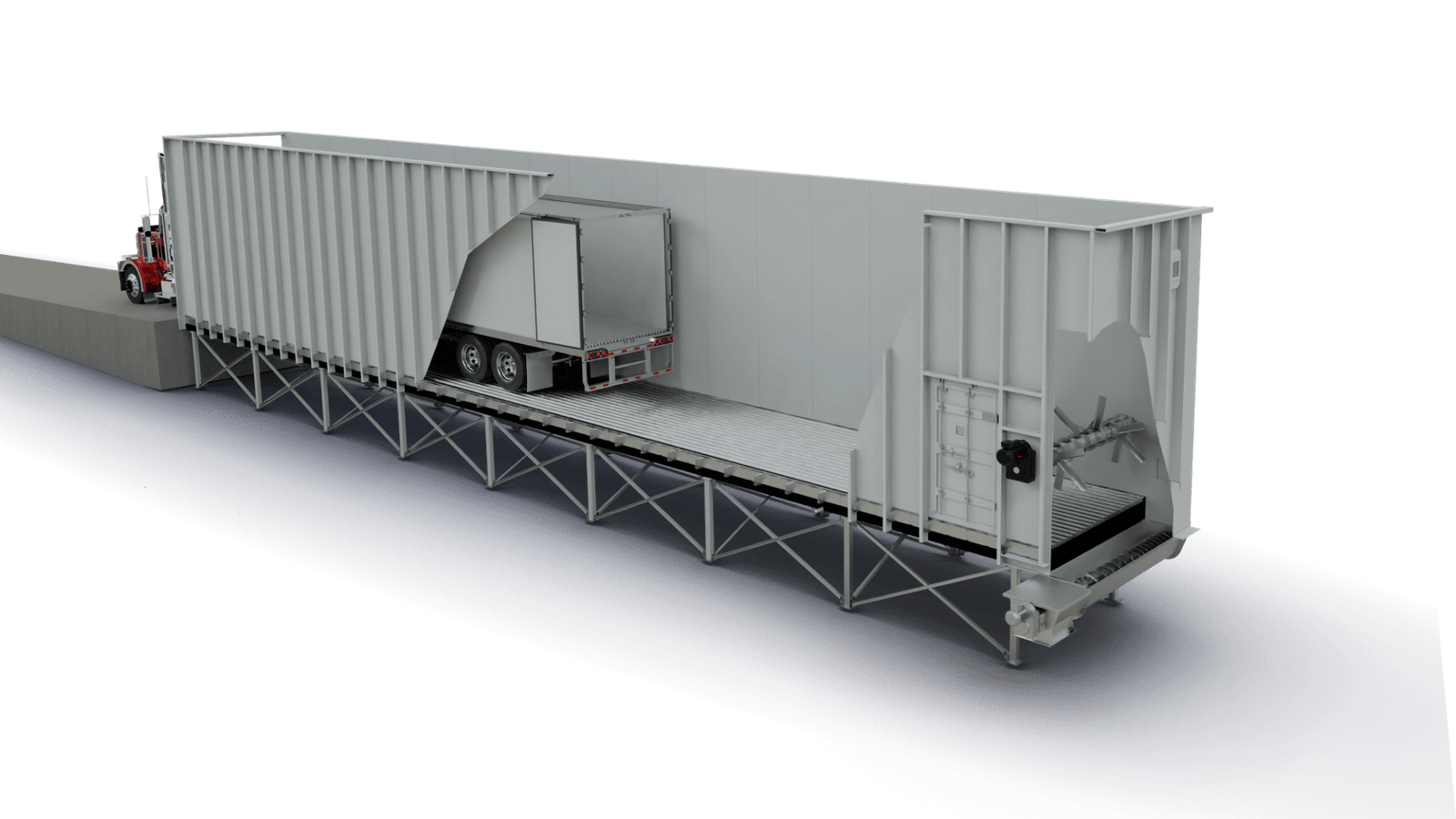
The WALKING FLOOR system is a hydraulically driven, horizontal loading and unloading setup that moves material toward the hopper’s discharge end while keeping the floor slats level. In stationary hopper installations, the design enables controlled discharge in low-headroom areas and maintains a steady flow to downstream equipment.
The stationary hoppers are built to order, with a stated storage capacity of up to 1,400 tonnes. Configurations include small and large storage hoppers, loader-fed systems, pit-mounted installations, and DrivOn layouts. Options include walls and roofing for dust containment and weather protection within existing plant footprints.
WALKING FLOOR systems are designed to receive, store, and meter different types of fuel, helping cement plants adjust as supply availability changes. The configuration is designed to handle the bulk fuels commonly used in cement production without requiring major changes to the material-handling infrastructure.
The stationary bins separate material received from consumption by storing fuel until it is needed. Discharge is metered and consistent, controllable manually or via sensors, reducing the need for continuous loader feeding. Low start-up power demand and automated feeding can help cut energy use and direct labour requirements.
Loader-fed bins are filled by a loader or crane, while DrivOn bins allow trucks to unload directly onto the moving WALKING FLOOR conveyor. DrivOn layouts support first-in, first-out material rotation and adjustable discharge rates, with open or enclosed tops available for dust control. Pit-mounted truck receiving systems use floors specified to withstand top-loading impacts.
For cement plants handling slow-moving or cohesive materials, stationary bins using WALKING FLOOR technology can help reduce plugging and keep discharge controlled, limiting the risk of overloading takeaway conveyors.
Read the full article here