

After 18 months and 3.5 million tons at Bull Run, the aggregates producer extends Caterpillar’s autonomous hauling to two more Virginia quarries and to a smaller truck class
Autonomous haulage has long been associated with giant mining trucks on remote pits. Luck Stone’s latest move brings it closer to the everyday aggregates quarry.
The Virginia-based producer and Caterpillar are extending autonomous hauling to two more operations, the Boscobel and Bealeton quarries, following more than 18 months of autonomous work at Bull Run Quarry. Since going live there in November 2024, autonomous trucks have hauled more than 3.5 million tons.
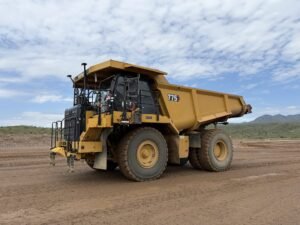
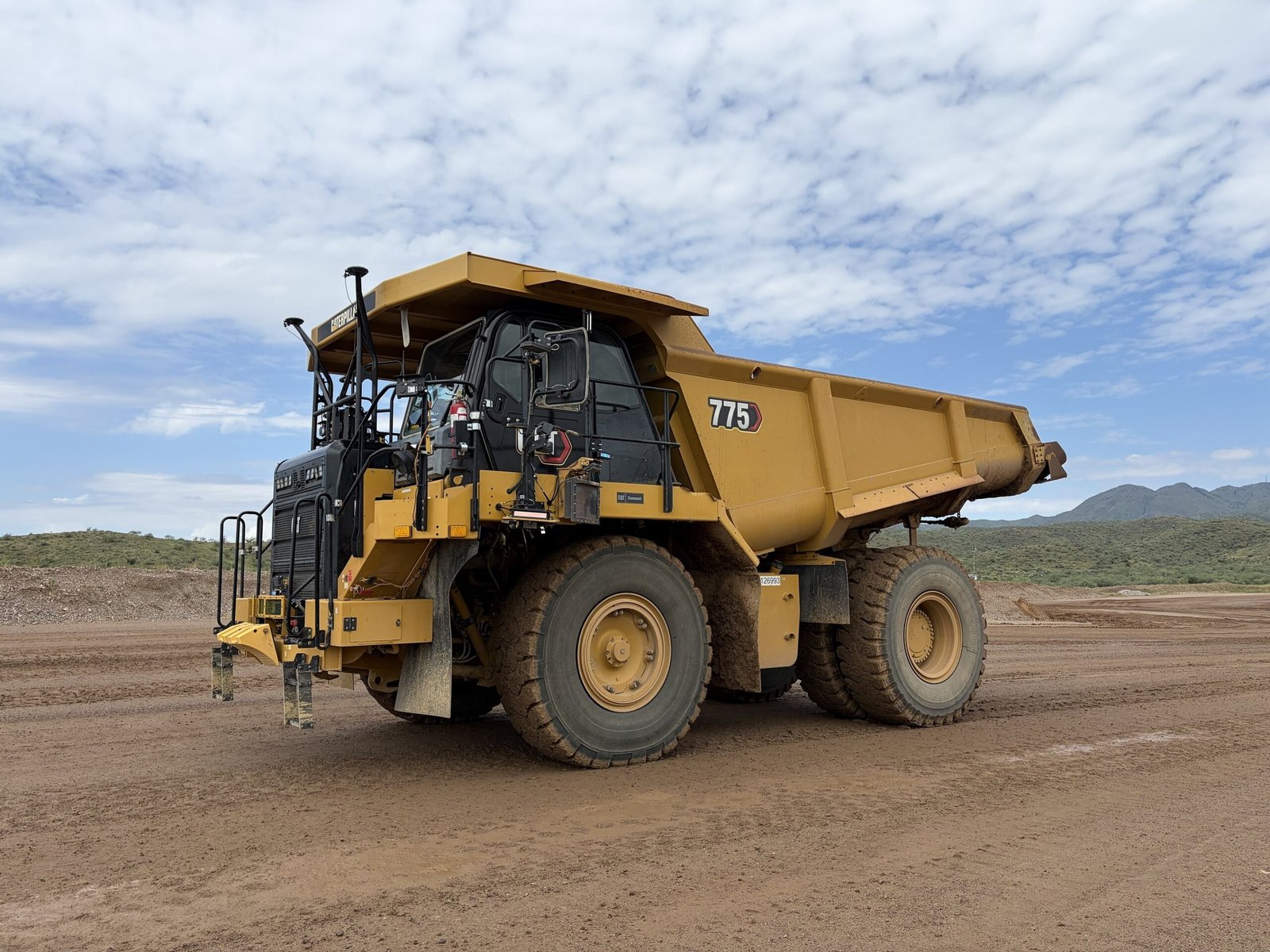
First autonomy on the Cat 775
The expansion covers two fleets of Cat 775 trucks, supported by dealer Carter Machinery. It is the first deployment of Caterpillar’s autonomous haulage solution on the 775 model.
That detail matters for the wider industry. A 775 sits well below the ultra-class trucks where autonomy first proved itself, and it is the kind of machine many quarries already run. If autonomy works reliably at that size, the pool of operations that can realistically adopt it grows considerably.
Why a quarry goes autonomous
Luck Stone frames the decision around three recurring problems in aggregates: maintaining consistent production across shifts, improving safety, and attracting and developing talent in a tight labour market. The company says it looked for a partner whose approach to autonomy puts people at the center.
“Autonomy is creating a safer workplace that improves consistency for our customers and gives our associates opportunities to develop new skills as our industry continues to evolve.”
Said Travis Chewning, Vice President of Engineering & Operations Support at Luck Stone.
The workforce angle is more than a slogan. Autonomous fleets still need people to plan, supervise and maintain them, and those roles tend to be more technical. For producers struggling to hire drivers, retraining existing staff for those positions can be as valuable as the trucks themselves.
For Caterpillar, Bull Run has served as a proving ground.
“By working together, we’ve gained insights that help us refine and scale autonomous hauling solutions that create measurable value for both operations and workforce development,”
Said Denise Johnson, Group President, Resource Industries, Caterpillar.
The bigger picture
Caterpillar says its autonomous trucks have collectively hauled more than 13 billion tonnes and travelled more than 455 million kilometres with no reported injuries. Luck Stone’s expansion suggests the next phase of that growth may come not only from new mines, but from established quarries adding autonomy one fleet at a time.
Read the full article here