


Volvo CE has introduced electric machines in Asia that can meet many day-to-day jobsite requirements. Tighter emissions rules, client pressure for lower-impact construction, and the need to reduce noise are pushing contractors to consider electric alternatives without compromising productivity.
Volvo CE also supports customers in assessing the conditions required to integrate effectively on-site. This includes evaluating energy availability, charging requirements, workflow organisation and workforce readiness. Electrification is not simply about replacing a diesel machine with an electric one; it also affects site logistics, operational planning and the skills required across the jobsite.
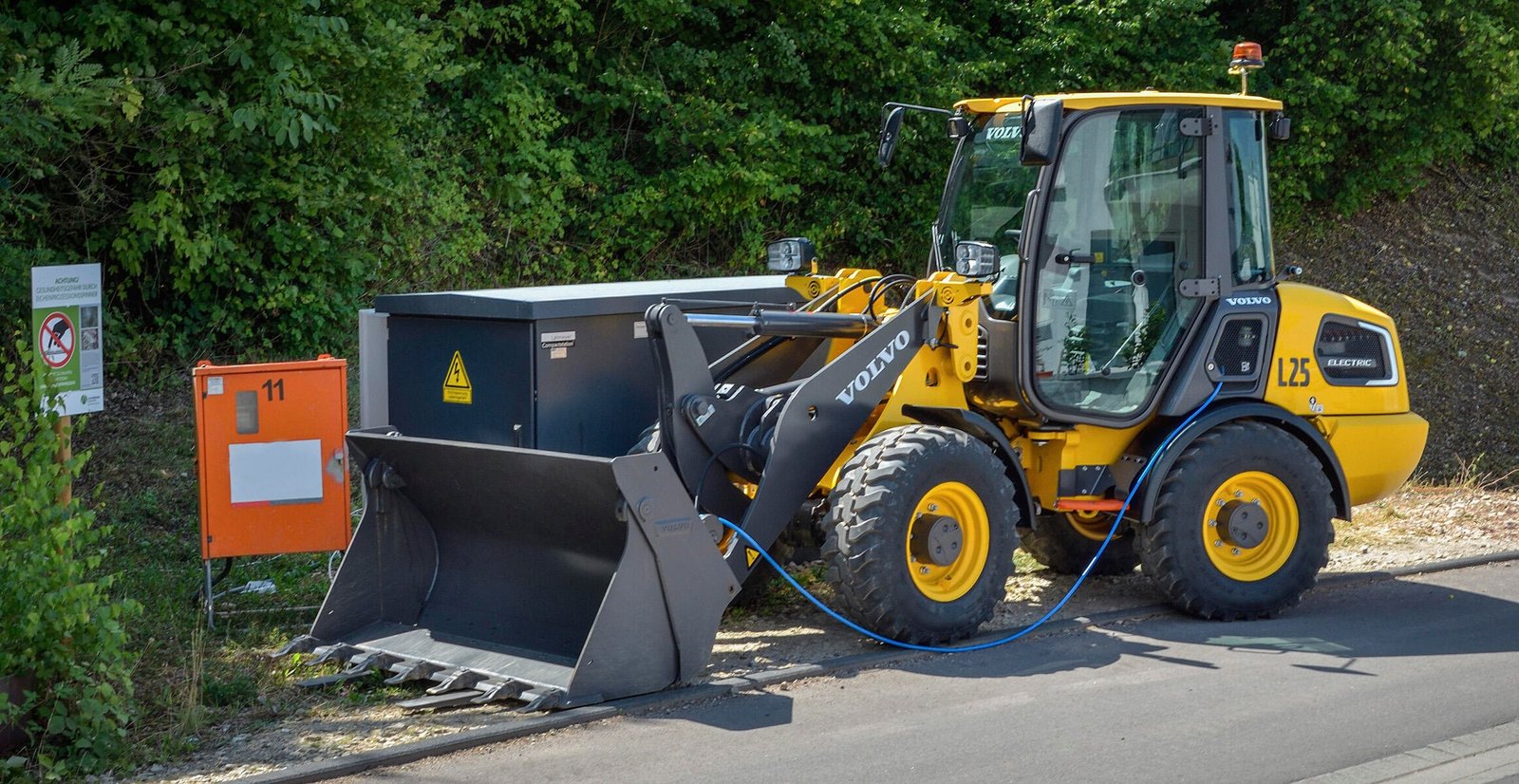
Recent applications in the region confirm this evolution. In Indonesia, a two-month trial of the Volvo CE L25 Electric Wheel Loader with a customer in Central Kalimantan showed how an electric machine can be integrated into real operations. The experience also highlighted the value of close cooperation between manufacturer and customer, particularly in charging assessment, machine utilisation planning, operator familiarisation and technical support throughout the test period.
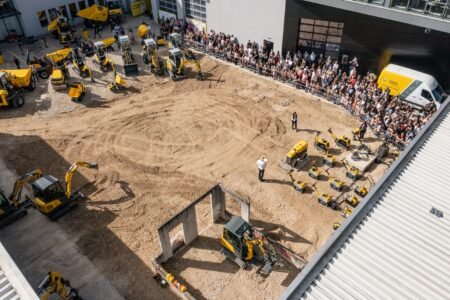
In urban job sites, priorities are different. At BuildTech Asia 2025 in Singapore, Volvo CE displayed electric machines designed to work in dense city environments, where reduced noise and zero tailpipe emissions can make a real difference. This type of application is attracting growing interest from contractors involved in urban redevelopment, infrastructure works and projects close to residential or commercial areas. The demonstrations at the exhibition also gave customers a practical opportunity to understand how electric machines can be integrated into normal job site operations.
New Availability Logic for Electric Machines
In the world of diesel machines, uptime is generally measured by the ability to reduce failures, technical stoppages and maintenance interruptions. With electric machines, this concept becomes broader. Operational availability also depends on battery charge level, the power available on site and the correct scheduling of charging cycles.
For this reason, forward-looking contractors are beginning to see charging not as an unproductive pause, but as a phase to be integrated into the work cycle. Energy management therefore becomes part of daily planning, alongside machine allocation, operator shifts and the organisation of jobsite activities. Because electrification affects several levels of project execution, many companies need support that goes beyond just supplying the machine.
Operational planning, workforce training, and coordination with utilities and other stakeholders can help reduce uncertainty during the early phases of adoption. In this context, Volvo CE supports customers with connected services, technical expertise and after-sales assistance aimed at improving machine availability and integrating charging schedules with normal daily operations.
“Electrification is not just about introducing new machines, customers also need the right planning, charging strategy, operational processes, and workforce readiness to make the transition successful. At Volvo CE, we work closely with customers to help them evaluate site requirements, integrate electric equipment into daily operations, and build long-term confidence in electrified construction.”
Said Ramarajan Rangarajan, Head of Productivity & Retail Development, Volvo CE, Region Asia.
Training and New Skills for the Electric Transition
The arrival of electric machines also changes the work of operators, technicians and site managers. It is not only a matter of using a new machine, but of understanding different operating behaviours, specific safety procedures and new maintenance requirements.
The goal is to help operators and service teams become familiar with new technologies and integrate them more confidently into daily workflows. Electrification is part of a broader shift toward lower-emission, quieter and more efficient jobsites. Companies that start using electric machines today are building skills that will become increasingly relevant as environmental and operational requirements evolve.
Machine technology is only part of the equation. Infrastructure planning, training, after-sales support and close collaboration will be key to preparing Asian jobsites for the next phase of electrification, while sustaining productivity and efficiency over time.
Read the full article here