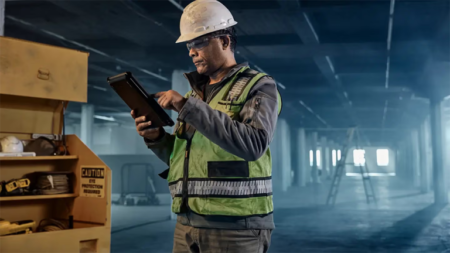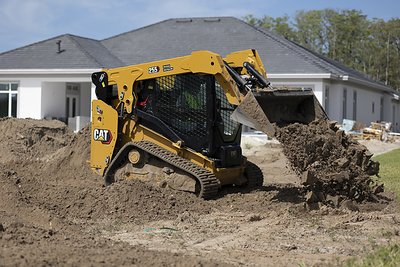




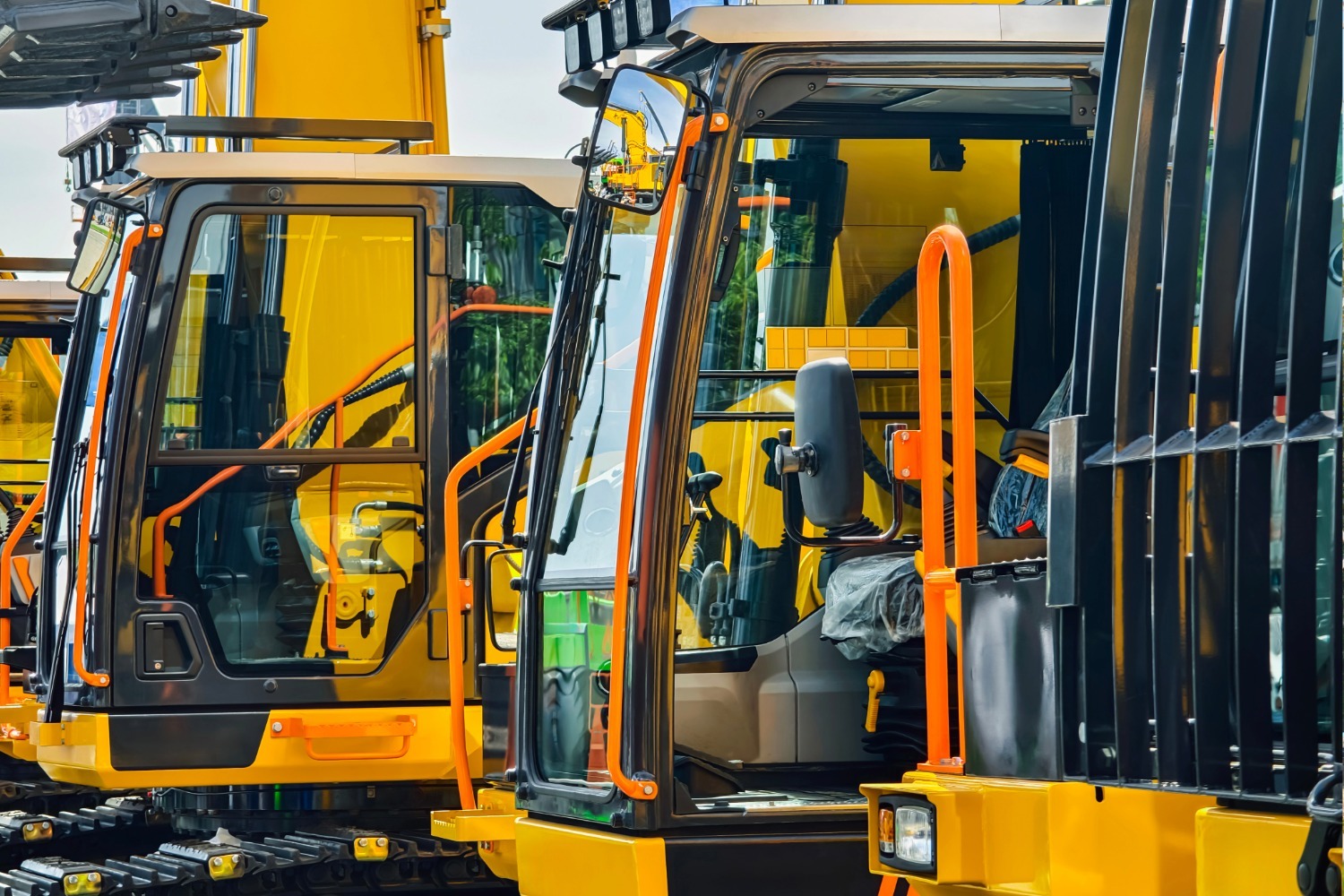
Komatsu’s KomVision and Caterpillar’s Cat Detect are examples of technologies aimed at improving operational safety and reducing accident risks. However, these systems are still positioned as non-essential add-ons rather than standard machine features. In a highly cost-sensitive industry, end users have limited incentive to invest in options that don’t directly influence productivity or regulatory compliance. This inconsistent demand creates a vicious circle for manufacturers: volumes remain too low to drive down costs or justify sustained investment. Even in high-risk sectors like mining, where safety is critical, the adoption of advanced safety systems remains patchy.
High-value sensor and camera units sold for use in off-highway applications.
Chloe Mason’s analysis suggests that fewer than 50,000 off-highway machines globally will ship with high-value sensors in 2025. The chart above shows the market development of both cameras and high-value sensors (for example, LiDAR). Cameras are mostly used for rear-view applications, and advanced sensors will typically be used on high-value machines that are likely to automate first. Additionally, aftermarket solutions can be cheaper, further undercutting OEM’s integration efforts. This makes it even harder for component vendors to build stable, scalable revenue streams.
Until technology-led safety mandates emerge, continues Chloe Mason, technology adoption will continue to be OEM-led. This leaves suppliers of advanced electronics reliant on the strategic priorities of a few OEMs. To unlock real growth, external pressure is needed. Regulatory mandates are the most effective lever to drive industry-wide adoption of advanced safety systems.
Short of that, an industry-wide push for safety standards could help establish minimum expectations for visibility and safety detection systems. Likewise, the emergence of autonomous or remotely operated vehicles may accelerate adoption out of necessity, given that they require robust perception and safety features in the absence of a driver in the cab. Even if widespread mandates or automation still seem a long way off, OEMs could find a strategic advantage in adopting advanced safety features, especially as competition from lower-cost Chinese manufacturers intensifies. Positioning safety as a value-added differentiator, rather than competing on price, may help protect market share in the long run.
Read the full article here