


Dig Robotics has created a training system to help operators develop impeccable excavation skills
Dig Robotics is combining machine learning with gamification to help both rookie and veteran operators to perfect excavator operation.
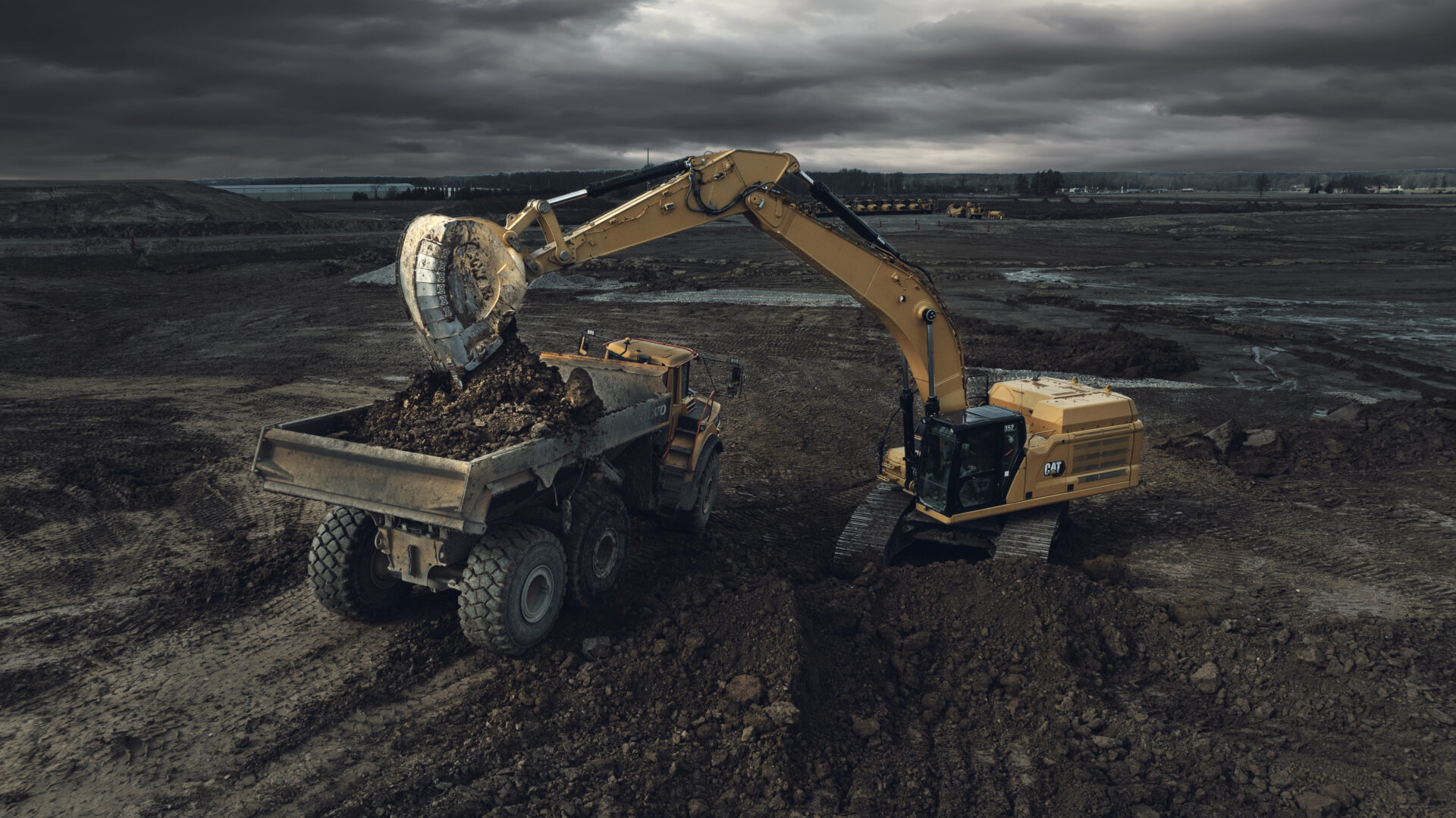
The Israeli startup has created an on-excavator training system that uses machine learning to determine how to achieve the perfect bucket of material on any jobsite, regardless of the excavator brand.
“Our focus is more on operators than it is on equipment itself,” said Ken Gray, Dig Robotics Co-Founder and Chief Performance Officer.
Before joining Dig Robotics, Gray, a mechanical engineer by trade, spent about a third of his career designing heavy equipment and is the former Global Director of innovation at Caterpillar (retired).
“I think what I found early on in my career was as much money as we spent improving machines, we probably weren’t spending enough money improving operators,” he said.
“Just the variation (in skill) among operators is so huge that it would often mask all the good work we had done to improve the performance of machines.”
You may also like:
A study by Volvo CE confirms the variation between operators when it comes to productivity. The study found a 300 per cent productivity and 150 per cent fuel consumption difference between skilled operators. With rental customers, the variation grew to a 700 per cent variation in productivity.
“I think the primary reason behind this kind of variation is based on the topography of the jobsite, whether it’s a mine, a quarry or any excavation,” Gray said.
“There is a perfect path for the bucket to follow to maximize productivity and minimize the energy required for this load.”
As well, cycle times tend to increase as operators progress through their daily shift.
“As good as the operator is, they get bored. They lose focus,” Gray said. “Other people on the jobsite lose focus, and it’s just really hard to stay on track.”
Machine learning via lidar
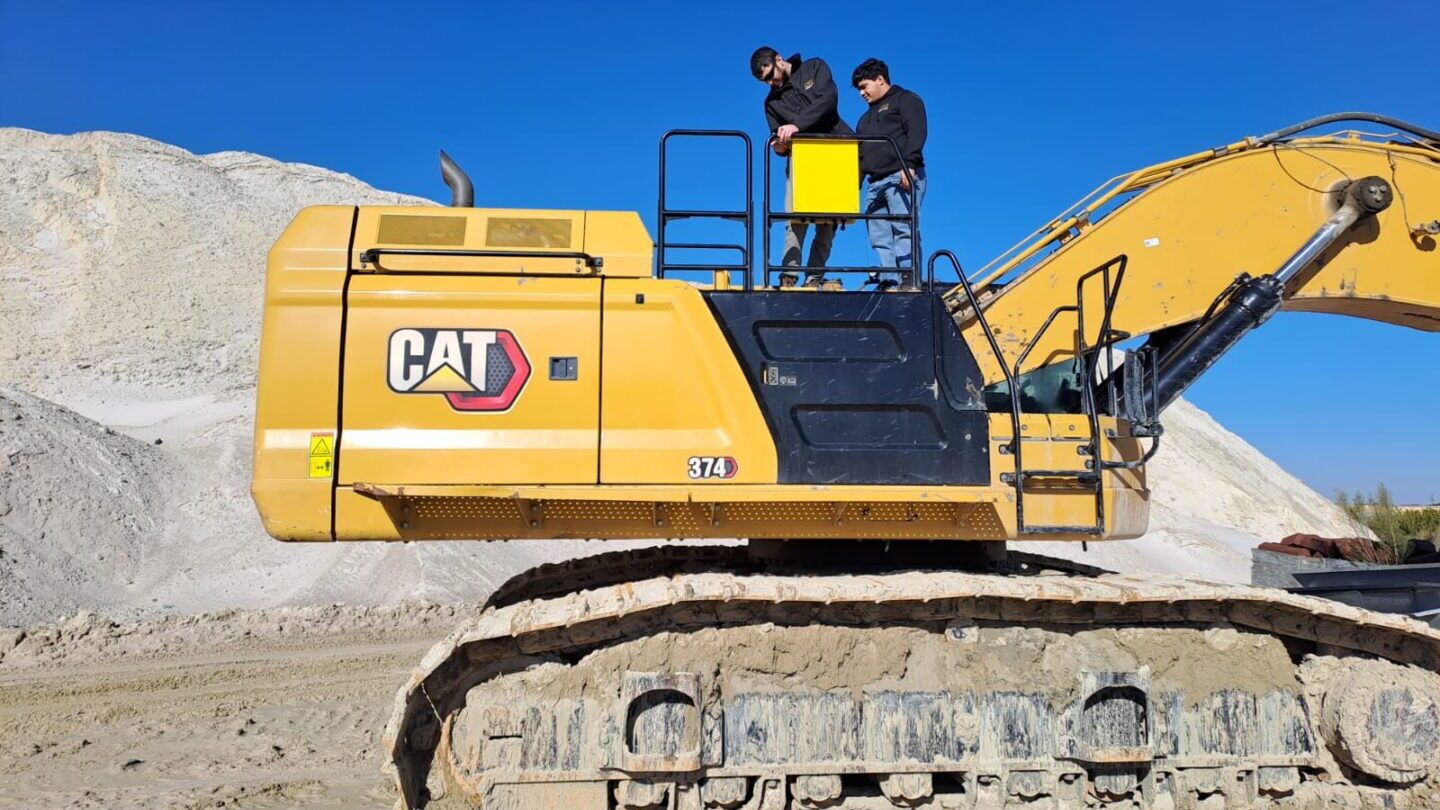
To help operators consistently scoop the right bucket of material, Dig Robotics created a system that uses a lidar sensor attached to the roof of the excavator’s cab.
Using machine learning, the data collected from the Dig Robotics lidar is used to generate the most appropriate manoeuvrer for the excavator to maximize the operator’s productivity.
The bucket manoeuvrer is adjusted as the topography changes due to the removal of material.
An in-cab monitor then shows the operator how their operation compares to the perfect path the bucket should follow for peak productivity, gamifying the process.
“It is really difficult for the operator to keep the profile of this bucket perfectly tangent to the path that the bucket has to create as it pulls through the cut,” Gray said. “And there’s also a perfect depth and there’s a perfect speed, but really importantly also, there’s a perfect timing element.”
Using the generated data, Dig Robotics adjusts the bucket path based on material cohesion, granularity, humidity and type and size of bucket being used.
“We can make adjustments in milliseconds based upon what is actually happening in the bucket compared to what theoretically should happen,” Gray said.
“I had a customer tell me, ‘this is like the Moneyball of excavation. We’ve never seen data like this before’.”
Dig Robotics trials
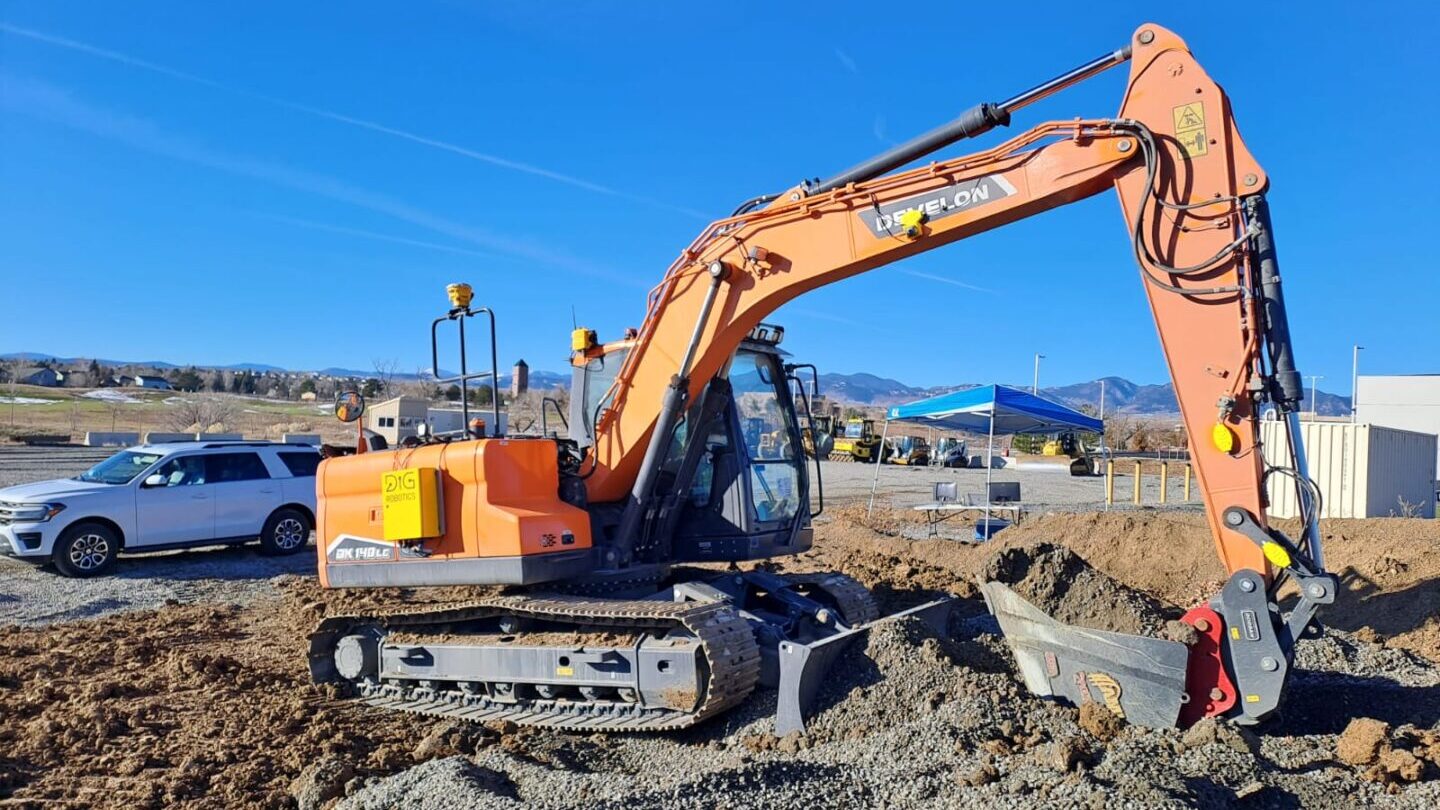
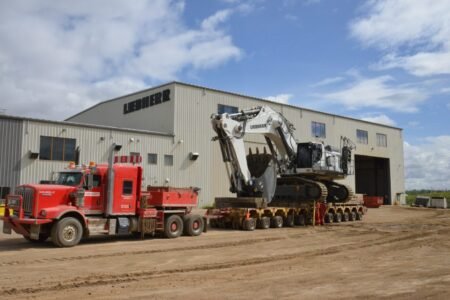
Focusing its technology on excavators weighing 35-tonnes and up, Dig Robotics completed its first trial on a 100-tonne Liebherr 984C at a quarry in Israel.
“They went from 50,000 gallons a year to 40,000 gallons a year in terms of fuel usage and their tons per hour was up about 10 per cent,” Gray said.
At bauma, the company announced its second pilot in the United States with Turner Mining Group.
At sites in Texas and Oklahoma, Turner will test the system on Hitachi EX1200s and Caterpillar 374s excavators.
While Dig Robotics is designed to help operators maximize their productivity, the system naturally minimizes the environmental footprint of the process by reducing the number of passes each machine makes to meet its target.
“We’re reducing greenhouse gases by about 30 per cent and that’s really significant,” Gray said.
“This is something that we really should be paying close attention to. Just by the managing of the kinematics of motion through the cut, we can reduce greenhouse gas emissions.”
Read the full article here